

10 min read
Why Childhood Feels Smaller Than It Used To
Many parents experience a strange sense of loss when they look at childhood today. It's not that today's kids are unhappy. It's that childhood often feels...smaller.
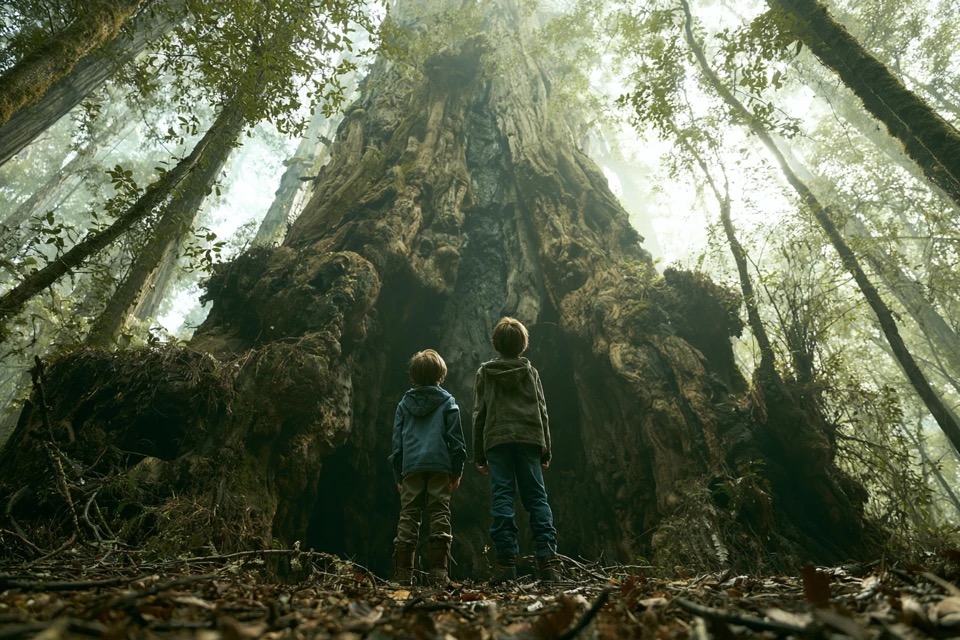
Many parents experience a strange sense of loss when they look at childhood today. It's not that today's kids are unhappy. It's that childhood often feels...smaller.
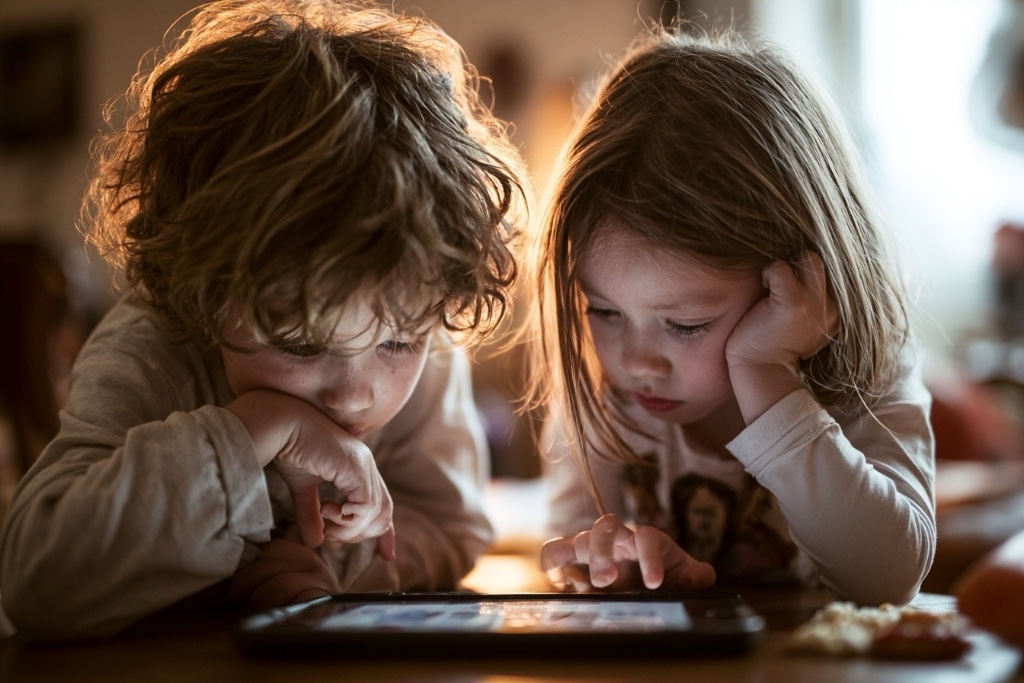
Many parents sense that something about the relationship between children and content has changed. They're noticing that their child seems restless after watching—less interested in creating, less able to sit with boredom.
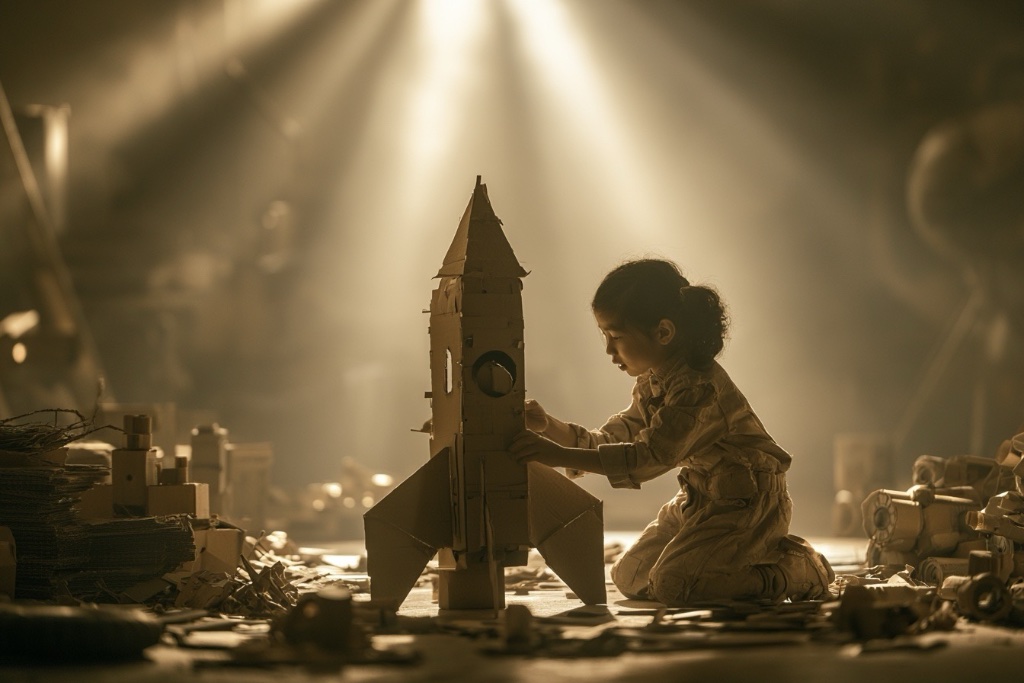
Many children consume tremendous amounts of educational content but rarely do anything with it afterward. The concern isn't really about screen time—it's about participation.

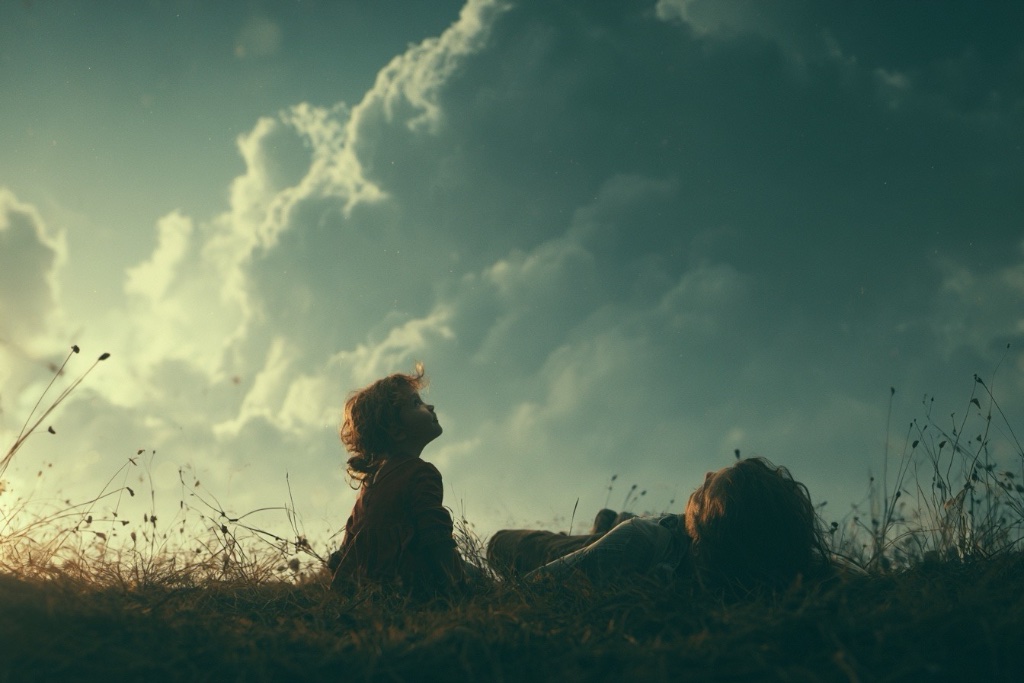
Many parents worry that their children seem disconnected from the physical world—the sky, the seasons, nature, and the countless small wonders that once captured childhood attention.
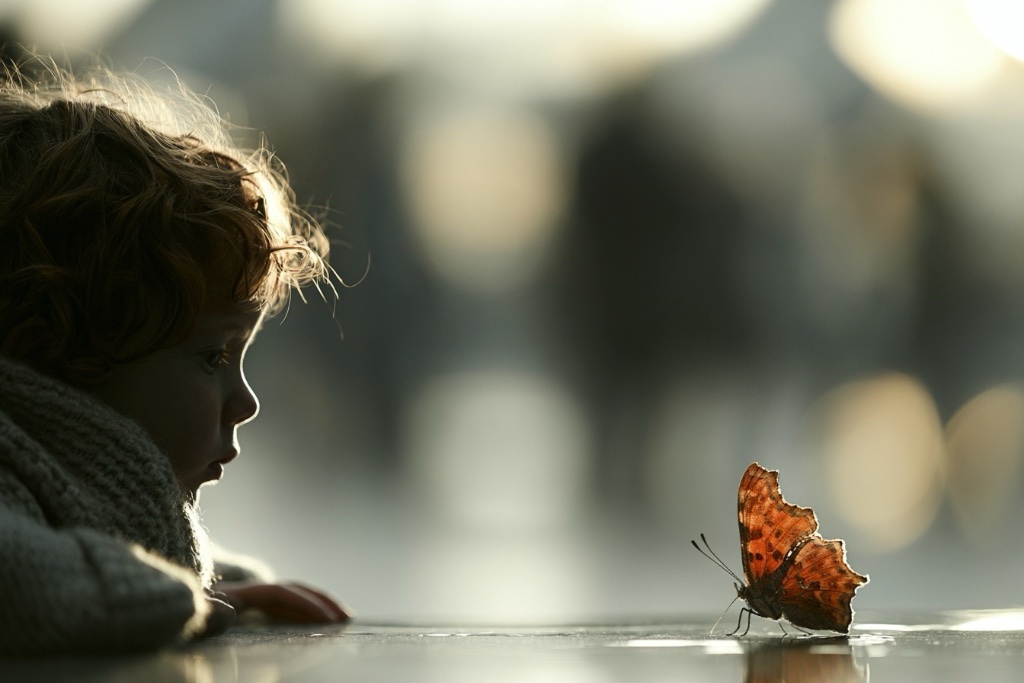
Wonder hasn't disappeared. In most cases, it simply has fewer places to grow.
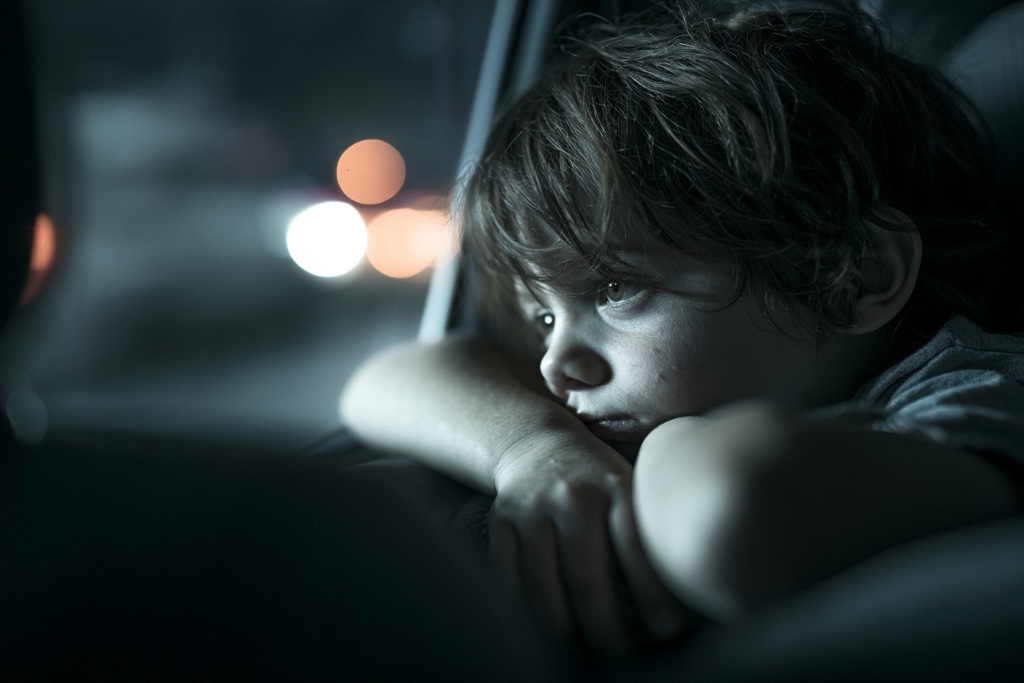
The more entertainment becomes available, the less satisfied many children seem to become. The problem isn't that children have become less capable of wonder—it's that many have become accustomed to constant novelty.
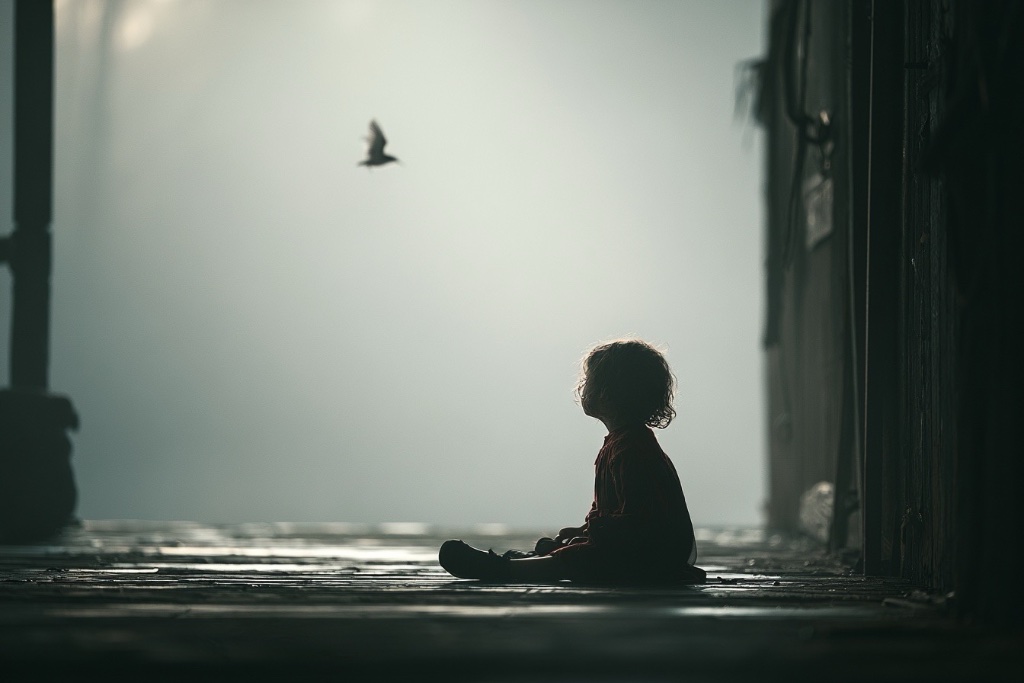
What if boredom isn't the problem? What if the thing we're trying so hard to avoid is actually one of the most important ingredients in childhood?
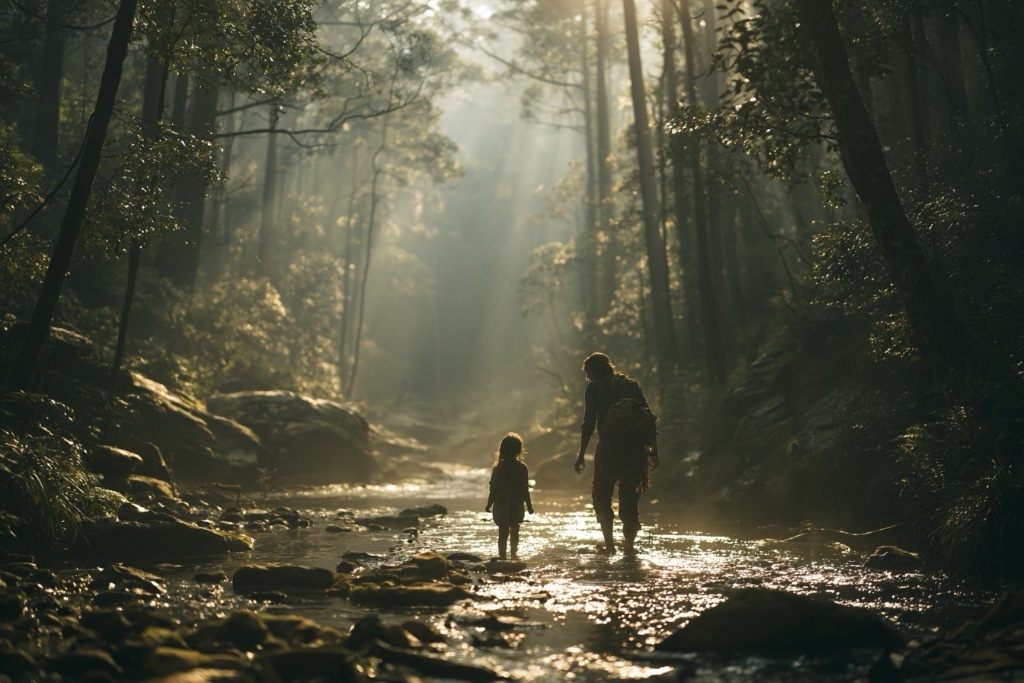
For years, the parenting conversation around technology has focused on one thing: screen time. But most families aren't actually worried about screen time itself—they're worried about what it might be replacing.
A few years ago, it probably felt like your child had an unlimited supply of questions. Then, almost without noticing, something changed. The questions became less frequent. If you've noticed this shift, you're not alone. Many parents quietly wonder the same thing: What happened to my child's curiosity?